

Thermal energy plays an important role in modern manufacturing, supporting processes that require controlled heating, steam generation, and consistent temperature management. Industries such as food processing, chemicals, pharmaceuticals, textiles, and paper production depend on reliable heating systems to maintain product quality and operational continuity.
As production requirements evolve, businesses must consider not only the initial cost of equipment but also its energy consumption, maintenance needs, safety features, and long-term performance. A well-planned thermal system can help manufacturers manage operating expenses while supporting dependable production.
Understanding Industrial Heating Requirements
Every manufacturing facility has different heating requirements depending on its processes, production capacity, and operating schedule. Some facilities need a continuous supply of steam, while others experience fluctuating demand throughout the day.
Before selecting equipment, businesses should assess the required steam output, operating pressure, fuel availability, water quality, and expected production loads. These factors help engineers determine the appropriate system capacity and configuration.
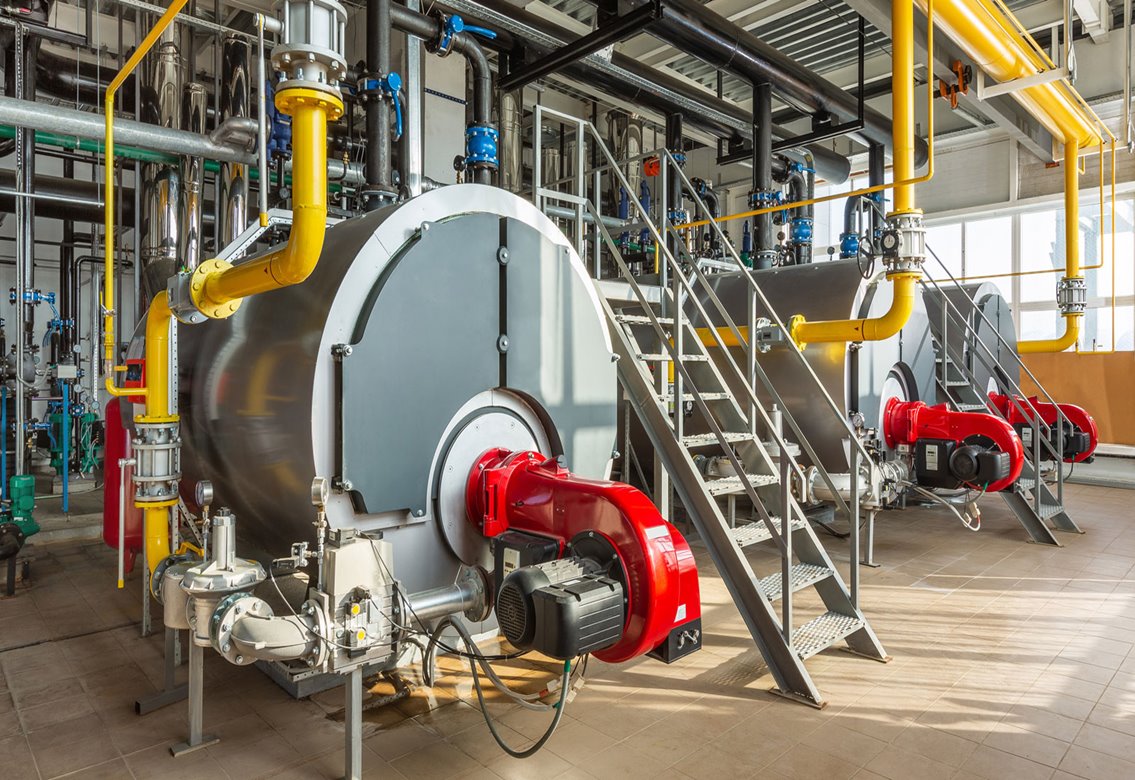
Industrial boilers are widely used to generate steam or hot water for a variety of applications. Their suitability depends on the intended process, operating conditions, and required thermal output. Selecting a system that matches actual demand can help reduce unnecessary fuel consumption and minimize operational difficulties.
Installation conditions also require careful consideration. Available space, ventilation, fuel storage, water treatment facilities, and access for maintenance can influence equipment selection. Reviewing these requirements before installation helps avoid costly modifications later.
Factors That Influence Equipment Performance
The performance of an industrial heating system depends on several interconnected factors. Combustion efficiency, heat-transfer effectiveness, insulation quality, and operating practices all influence how effectively fuel is converted into useful thermal energy.
Poor insulation can allow heat to escape from pipelines and equipment surfaces. Scale deposits on heat-transfer surfaces can reduce thermal conductivity, while incorrect combustion settings may increase fuel consumption and emissions.
Regular monitoring helps identify these issues before they significantly affect operations. Measuring fuel consumption, steam output, exhaust temperature, and operating pressure provides useful information about system performance.
Manufacturers should also consider whether the heating system operates consistently within its intended load range. Equipment that is poorly matched to production demand may experience unnecessary cycling or inefficient operation, particularly when demand changes frequently.
Selecting a Suitable Manufacturing Partner
Choosing an equipment supplier involves more than comparing product specifications. Businesses should evaluate manufacturing capabilities, engineering experience, quality control procedures, safety provisions, and the availability of technical assistance.
Companies researching industrial boiler manufacturers in India should examine whether the available equipment aligns with their application requirements and operating conditions. Clear technical documentation and appropriate guidance during equipment selection can help organizations make informed investment decisions.
After-sales support is another important consideration. Access to spare parts, maintenance assistance, troubleshooting guidance, and servicing can influence equipment availability throughout its working life.
Businesses should also verify that the proposed system meets applicable statutory requirements and relevant industrial safety standards. Appropriate documentation, installation procedures, and commissioning checks contribute to safe and reliable operation.
Improving Efficiency Through Preventive Maintenance
Preventive maintenance helps preserve equipment performance and reduce the risk of unexpected production interruptions. Without regular servicing, minor problems can develop into more serious issues that increase operating costs.
A maintenance program should include inspections of valves, pipelines, burners, controls, pressure-related components, and safety devices. Heat-transfer surfaces should be maintained according to manufacturer recommendations, while water quality should be monitored to limit scaling and corrosion.
Steam distribution systems deserve particular attention. Leaking joints, damaged insulation, and faulty steam traps can waste energy even when the primary heating equipment operates correctly.
Maintenance records can help facility managers identify recurring problems, monitor repair costs, and schedule servicing more effectively. Trained operators should also understand the importance of reporting unusual noises, pressure fluctuations, temperature variations, or other signs of abnormal operation.
Managing Energy Consumption in Industrial Facilities
Energy management should be treated as an ongoing operational activity. Businesses can begin by establishing a baseline for fuel consumption and comparing it against production output. This makes it easier to identify changes in performance and evaluate the impact of efficiency improvements.
Practical measures include optimising combustion, improving insulation, repairing steam leaks, maintaining suitable operating pressures, and aligning equipment output with production demand.
Where appropriate, facilities can also investigate waste heat recovery. Certain industrial exhaust streams contain recoverable thermal energy that may be used for feedwater preheating or other suitable heating applications. The feasibility depends on exhaust characteristics, operating schedules, and the availability of a consistent heat demand.
Automation and monitoring technologies can further support efficiency by tracking operating parameters and helping operators respond to changing requirements.
Building a Reliable Long-Term Strategy
Reliable thermal systems require a combination of suitable equipment, effective engineering, trained personnel, and consistent maintenance. Businesses that evaluate their heating requirements carefully can make better decisions about equipment capacity, installation, and long-term operating costs.
Regular performance assessments also help manufacturers identify improvement opportunities as production needs change. By prioritizing safety, energy management, and preventive maintenance, industrial facilities can improve equipment reliability and maintain consistent process conditions.
A structured approach to thermal system management supports dependable production while helping businesses use energy and resources more effectively over the long term.